



The grade indicates the condition of the clothing included in an outlet pallet. The most common classifications are Grade A, B and C – ranging from new, first-quality products to items that require inspection, repair or further sorting. It is important to remember, however, that the A/B/C grades used for outlet stock do not mean the same thing as grading terms used in the second-hand clothing trade, such as Cream, Grade A or Grade B. Similar terminology can therefore refer to completely different types of stock. In this guide, we explain the differences between the individual grades, what you may find in outlet clothing pallets and which grade may be suitable for different resale models.
What does a grade mean in outlet clothing?
In outlet clothing, a grade is used to describe the quality, condition and overall saleability of the products included in a pallet or wholesale lot.
In practice, the grade gives buyers an idea of what they can expect from a shipment. Stock may include new clothing with tags, overstock, end-of-line products, customer returns, ex-display items or products with minor or more noticeable defects.
Grades A, B and C are commonly used in the outlet and liquidation trade. However, there is no single industry-wide standard followed by every supplier, so the exact definition of each grade may vary between wholesalers.
For this reason, it is always worth checking the specification of a particular pallet or wholesale lot before placing a larger order.
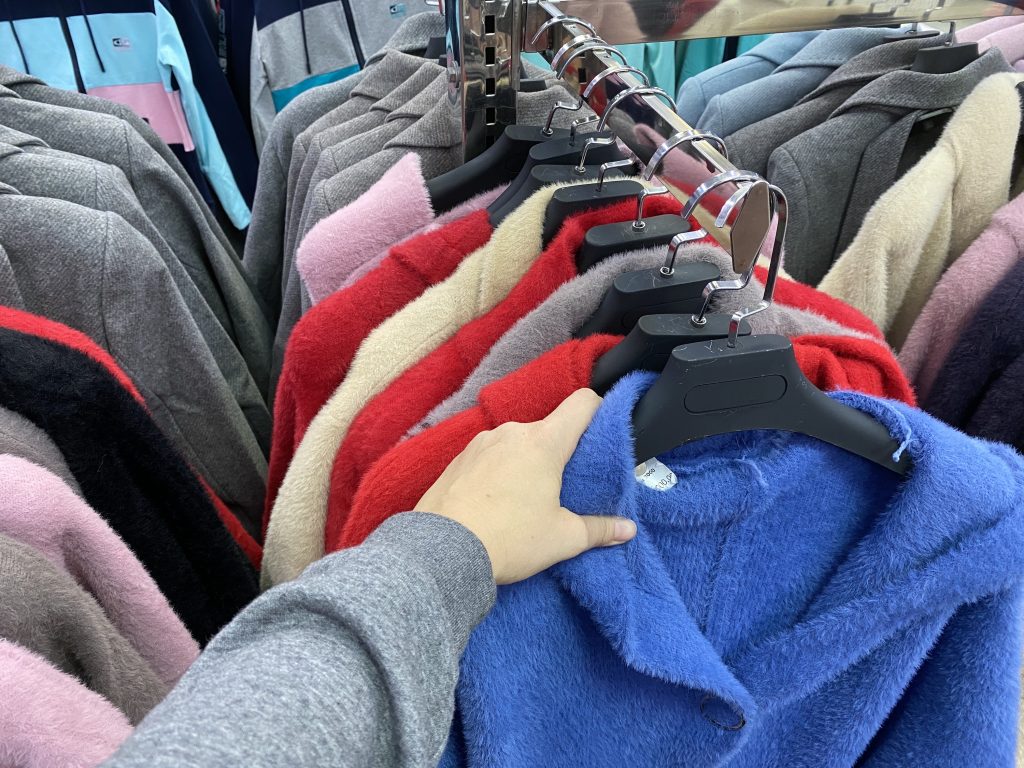
Grade A, B and C outlet clothing – what does each grade mean?
Each grade represents a different general level of quality and a different potential range of imperfections. As a rule, higher-quality stock costs more, while lower grades usually require more sorting and inspection before resale.
Grade A
Grade A usually refers to new, first-quality stock in very good condition. Products may come with their original tags and packaging, although the details depend on the individual shipment and supplier. Typical sources of Grade A stock include:
- overstock,
- end-of-line stock,
- discontinued collections,
- unsold retail inventory.
Grade A works particularly well where excellent product presentation and the ability to sell items as new are important. It can be a good option for boutiques, premium retailers, e-commerce businesses and sellers looking for a relatively consistent level of quality.
Grade B
Grade B usually consists of new products or customer returns that may have minor imperfections. These can include, for example:
- missing hang tags,
- damaged packaging,
- minor marks or dirt from transport or storage,
- signs of display,
- signs of being tried on,
- minor imperfections that do not significantly affect the usability of the product.
Grade B is not the same as traditional second-hand clothing. However, when customer returns are included, the condition of individual items may vary. For many resellers and outlet retailers, Grade B is an attractive option because it combines relatively good product quality with a lower purchase cost than Grade A. This type of stock can work well for physical outlet stores, online shops and sellers using platforms such as Vinted, OLX and other online marketplaces.
Grade C
Grade C generally includes products that require more thorough inspection, repair, further sorting or repurposing. Items in this grade may have issues such as:
- stains or dirt,
- fabric damage,
- missing components,
- broken zips or missing buttons,
- damage caused during transport,
- customer returns with defects.
Grade C usually comes at a lower purchase price, but it also requires more work from the buyer. It is best suited to businesses that have the capacity to sort, clean, repair or upcycle clothing.
MIX AB / ABC
An AB or ABC MIX is a pallet or wholesale lot containing products from several different grades. This type of offer can be attractive to resellers who want a varied assortment at a lower initial purchase cost.
However, individual items may need to be inspected and separated by condition before they can be offered for resale.
Comparison of Grades A, B and C
| Grade | Typical condition | What might you find? | Typical source |
| A | New, first-quality stock in very good condition | No significant defects; tags or original packaging are often present | Overstock, end-of-line and discontinued collections |
| B | New products or customer returns with minor imperfections | Missing tags, damaged packaging, signs of display, trying on or transport | Customer returns, overstock |
| C | Stock requiring inspection, repair or repurposing | Stains, damage, missing components or other defects | Defective returns, damaged stock |
| MIX AB / ABC | A combination of several grades in one lot | Condition varies between individual items | Mixed customer returns, overstock and end-of-line stock |
These definitions should be treated as general guidelines. The exact contents of a particular pallet will always depend on the supplier and the specification of the individual lot.
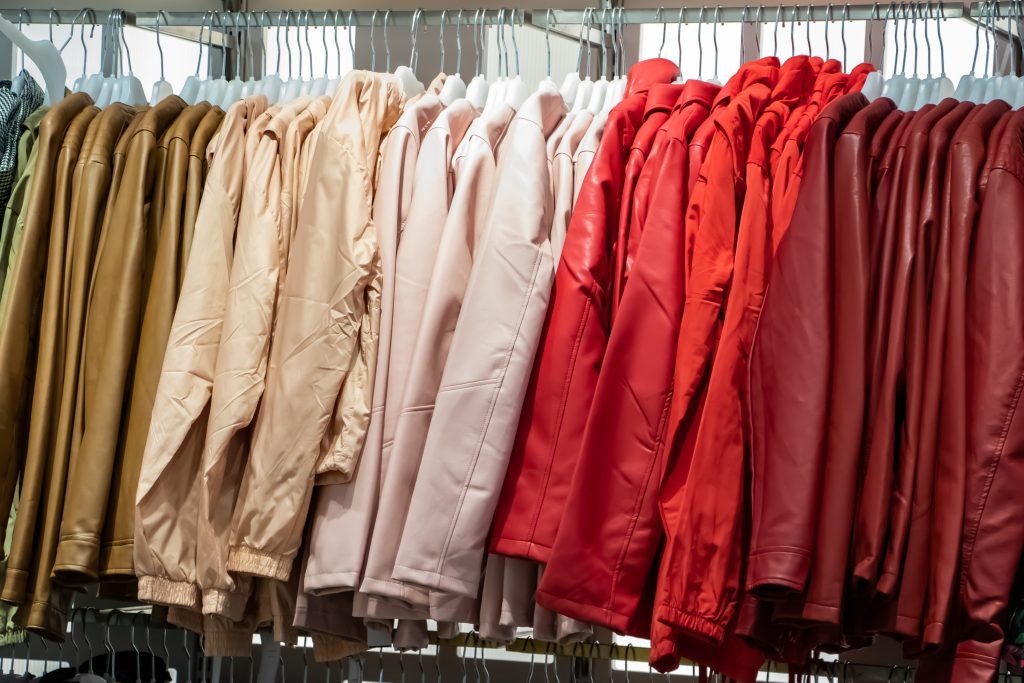
Outlet Grades A/B/C vs second-hand clothing – two different systems
One of the most common sources of confusion in the clothing trade is mixing up two separate grading systems.
The first applies to outlet clothing, overstock and customer returns. In this part of the industry, stock is often classified as Grade A, B or C.
The second system applies to used and second-hand clothing. Here, you may come across terms such as:
- original or unsorted clothing,
- Grade B or second grade,
- Grade A or first grade,
- Cream.
These two grading systems refer to different types of stock.
Grade A in an outlet pallet is not the same as Grade A in the second-hand clothing trade. Likewise, Cream does not mean a premium outlet grade. Before buying, it is therefore important to make sure which grading system the seller is using.
What is Cream grade clothing?
Cream is a term used in the second-hand clothing trade. It generally refers to the highest-quality items selected during the sorting of used clothing. These garments are usually in very good visual condition and are often fashionable, attractive or branded. Cream is not, however, the equivalent of Grade A outlet stock.
The key difference is that Cream refers to high-quality used clothing, while Grade A outlet stock generally consists of new, first-quality products.
The two terms should therefore not be used interchangeably.
Why does Grade A in second-hand clothing mean something different from Grade A outlet stock?
The same letter can have a different meaning depending on the grading system being used.
In the second-hand clothing trade, Grade A generally refers to used clothing in good condition without significant defects. In the outlet trade, Grade A usually refers to new, first-quality products or items that are very close to standard retail condition.
For this reason, the term “Grade A” alone is not enough to determine exactly what type of stock you are buying. When placing an order, it is always worth confirming whether the seller is referring to outlet grading or second-hand clothing grading.
Which grade should you choose for your business?
The right grade depends mainly on your sales model, budget and ability to sort and prepare products before resale.
Do you run a boutique or sell products as new?
Consider Grade A. This option is suitable for sellers who need products in very good condition and want to minimise the amount of additional sorting required.
Do you run an outlet store or sell online?
Grade B can be a good option. For many sellers, it offers a practical balance between purchase price and product quality. It usually requires more inspection than Grade A, but it can also be purchased at a more attractive price.
Can you repair or upcycle clothing?
You may want to consider Grade C. In this case, the lower purchase price may compensate for the additional work involved in sorting, cleaning or repairing the products.
Would you like to start with a mixed pallet?
An AB or ABC MIX may be a good option. It allows you to test several product grades within a single order, although the stock will usually need to be sorted afterwards.
At Stock-Hurt, a significant part of the available stock is Grade B, although lots in other grades are also offered. The right type of stock should be selected based on your sales channel, expected retail price and your ability to prepare products before listing them for sale.
Why can Grades A, B and C differ between wholesalers?
The A/B/C grading system is not governed by one universal standard that applies to every supplier. In practice, this means that one clothing wholesaler may classify a particular product as Grade B, while another seller may describe similar stock as A/B or C. Before placing a larger order, it is therefore important to check the grading criteria used by the individual supplier.
Good practice before purchasing a pallet or wholesale lot includes:
- confirming whether the supplier is using an outlet A/B/C grading system or a second-hand clothing grading system,
- checking the detailed description of the pallet contents,
- asking for sample photographs of the products,
- confirming whether customer returns are included in the lot,
- checking what types of defects or imperfections may occur within a particular grade,
- asking whether the stock can be inspected before purchase.
At Stock-Hurt, customers can inspect the stock in person by arranging a visit to the warehouse in Skawina, near Kraków, Poland. The details of each pallet or wholesale lot should be confirmed with a sales representative before placing an order.
What else should you check before buying an outlet clothing pallet?
The grade alone should not be the only factor you consider when choosing stock. Before buying, it is also worth checking:
- the brand or brands included in the pallet,
- product categories,
- seasonality,
- size distribution,
- the proportion of women’s, men’s and children’s clothing,
- the number of items,
- the weight or value of the lot,
- how the stock is packed,
- the origin of the stock,
- the supplier’s returns and complaints policy.
Two pallets both labelled Grade B can have very different resale potential depending on the brands, product categories and overall assortment included.
For this reason, it is best to assess a wholesale offer as a whole rather than basing your decision solely on the letter assigned to a particular lot.
Buy with confidence – explore the Stock-Hurt range
Understanding the differences between Grades A, B and C makes it easier to choose stock that suits your business model and reduces the risk of purchasing a lot that does not meet your needs.
Stock-Hurt offers pallets and wholesale lots of outlet clothing in different quality grades. The range includes overstock, end-of-line products and customer returns.
Before buying, you can speak to a sales representative to determine which type of stock best suits your sales channel and budget.
Stock-Hurt can also arrange transport within Poland and internationally, with customer support available in several languages, including Polish, English, Spanish and Russian.
Stock-Hurt also regularly organises pallet auctions, giving buyers the opportunity to purchase available lots at attractive prices.
Would you like to choose the right clothing grade for your business? Contact the Stock-Hurt sales team to ask about currently available pallets, wholesale lots and upcoming auctions.
Frequently asked questions
What is the difference between Grade B outlet clothing and used clothing?
Grade B outlet stock usually consists of new products or customer returns that may have minor imperfections, such as missing hang tags, damaged packaging or signs of display, trying on or transport. It is not the same as traditional second-hand clothing that has previously been worn in normal use and is classified according to a separate grading system.
What is Cream grade clothing?
Cream is generally the highest quality grade used in the second-hand clothing trade. It consists of carefully selected, well-preserved and attractive used garments. Cream should not be confused with Grade A outlet stock, because Cream is still second-hand clothing, whereas Grade A outlet stock generally refers to new products.
Does Grade A always mean the same thing at every wholesaler?
No. There is no single universal standard defining Grades A, B and C. Different suppliers may use slightly different criteria, so it is always worth checking the exact specification of a pallet or wholesale lot before placing a larger order.
Which grade is best for someone starting out?
For many resellers, Grade B can be a practical starting point because it may offer a good balance between purchase price and product quality. However, it will not be the best option in every situation. A boutique focused on selling products in excellent condition may prefer Grade A, while a seller with cleaning, repair or upcycling facilities may also consider Grade C.
Can Grade B include customer returns?
Yes. Customer returns are one of the typical sources of Grade B stock. The condition of the products may vary, from items that appear almost new to pieces showing signs of trying on, display, storage or transport.
Does outlet clothing always come with tags?
No. The presence of tags depends on the grade, source and individual lot. Tags are more common in Grade A stock, while a missing hang tag may be one of the typical imperfections found in Grade B.
Where can I buy Grade A, B and C outlet clothing pallets?
Pallets and wholesale lots of outlet clothing in different grades are available from suppliers such as Stock-Hurt. For current availability, detailed specifications of individual lots and information about upcoming auctions, it is best to contact a sales representative directly.


